
Homily for the 40th Anniversary of the Beatification of Pio Campidelli
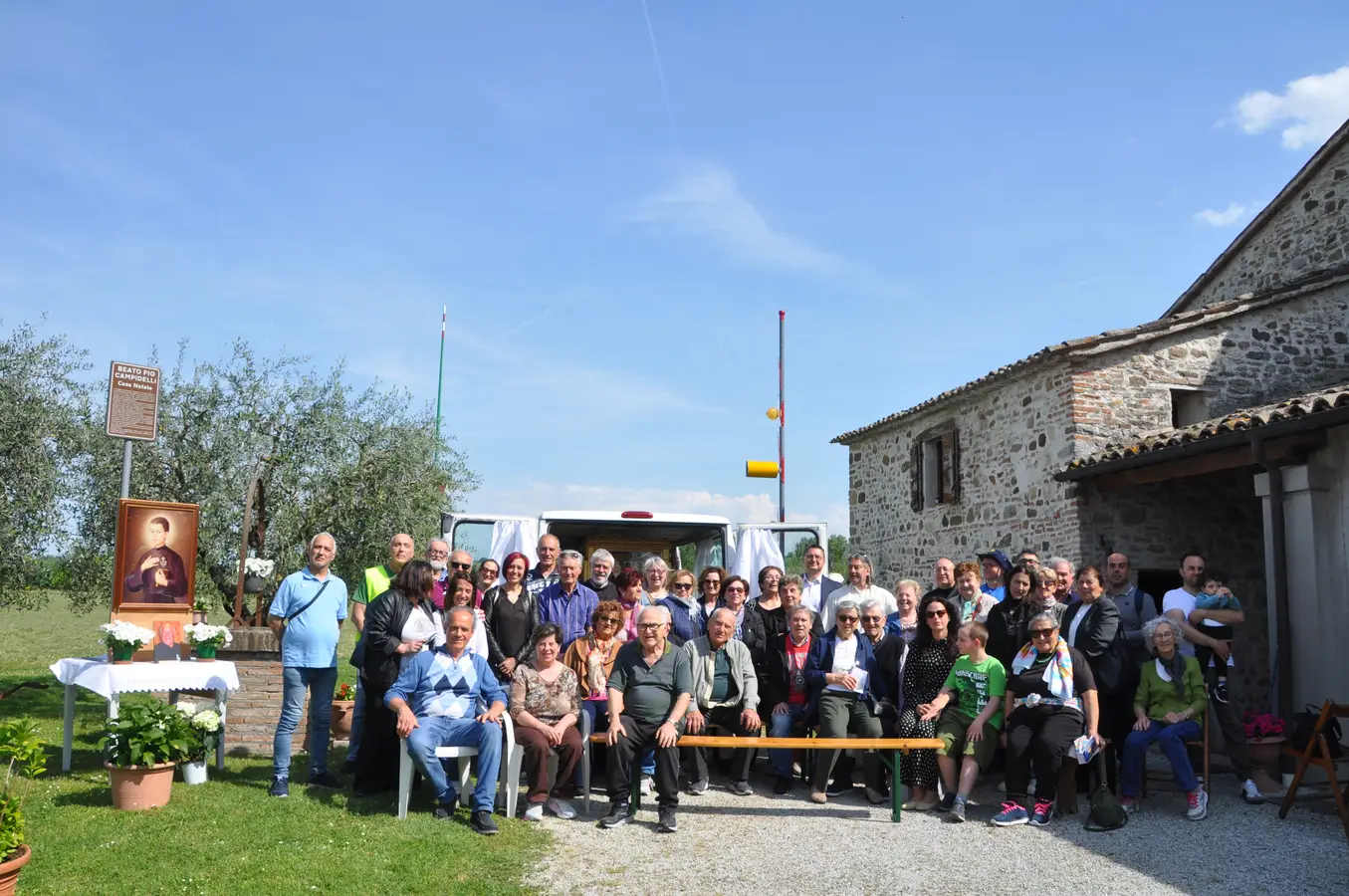
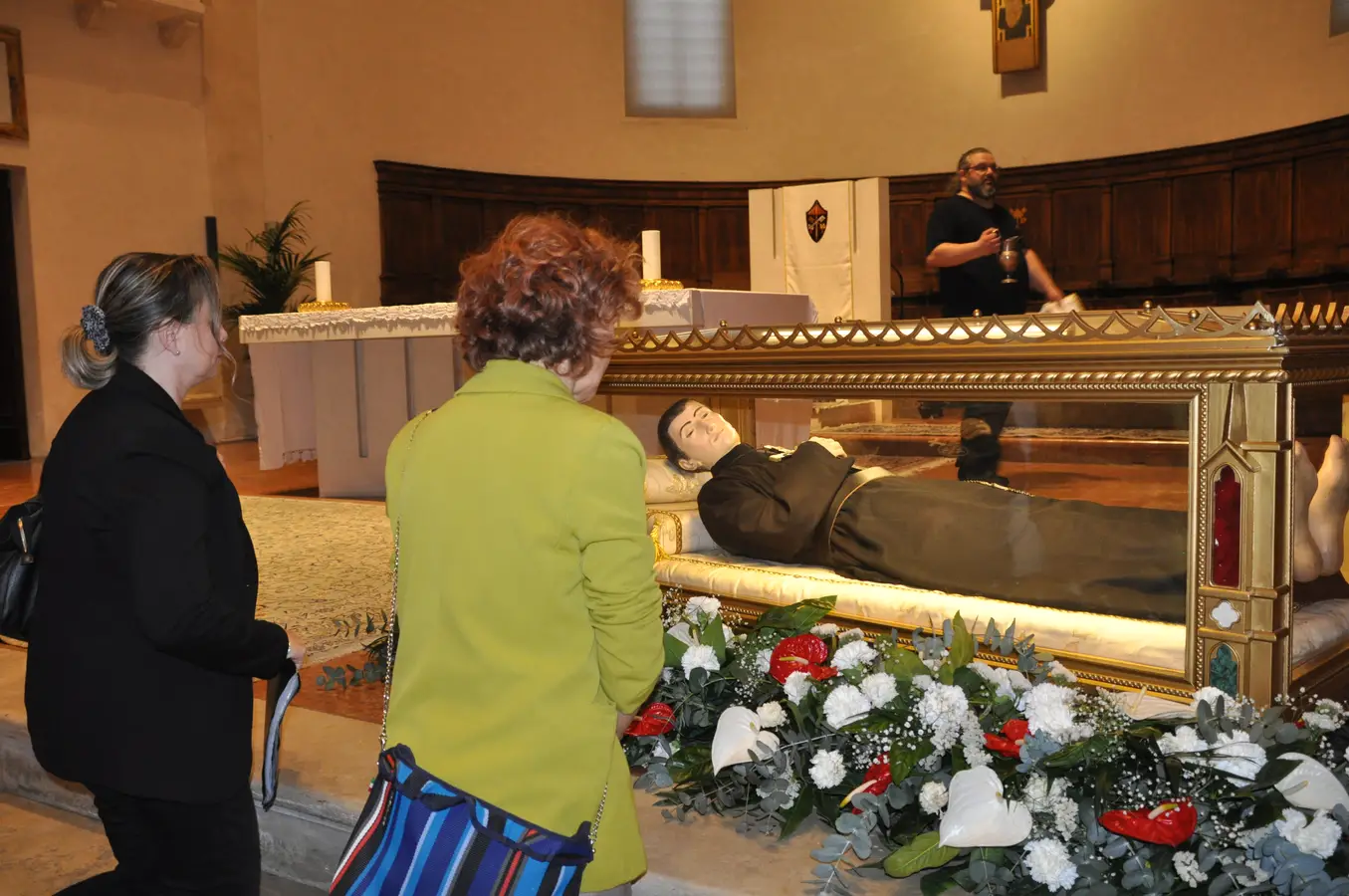
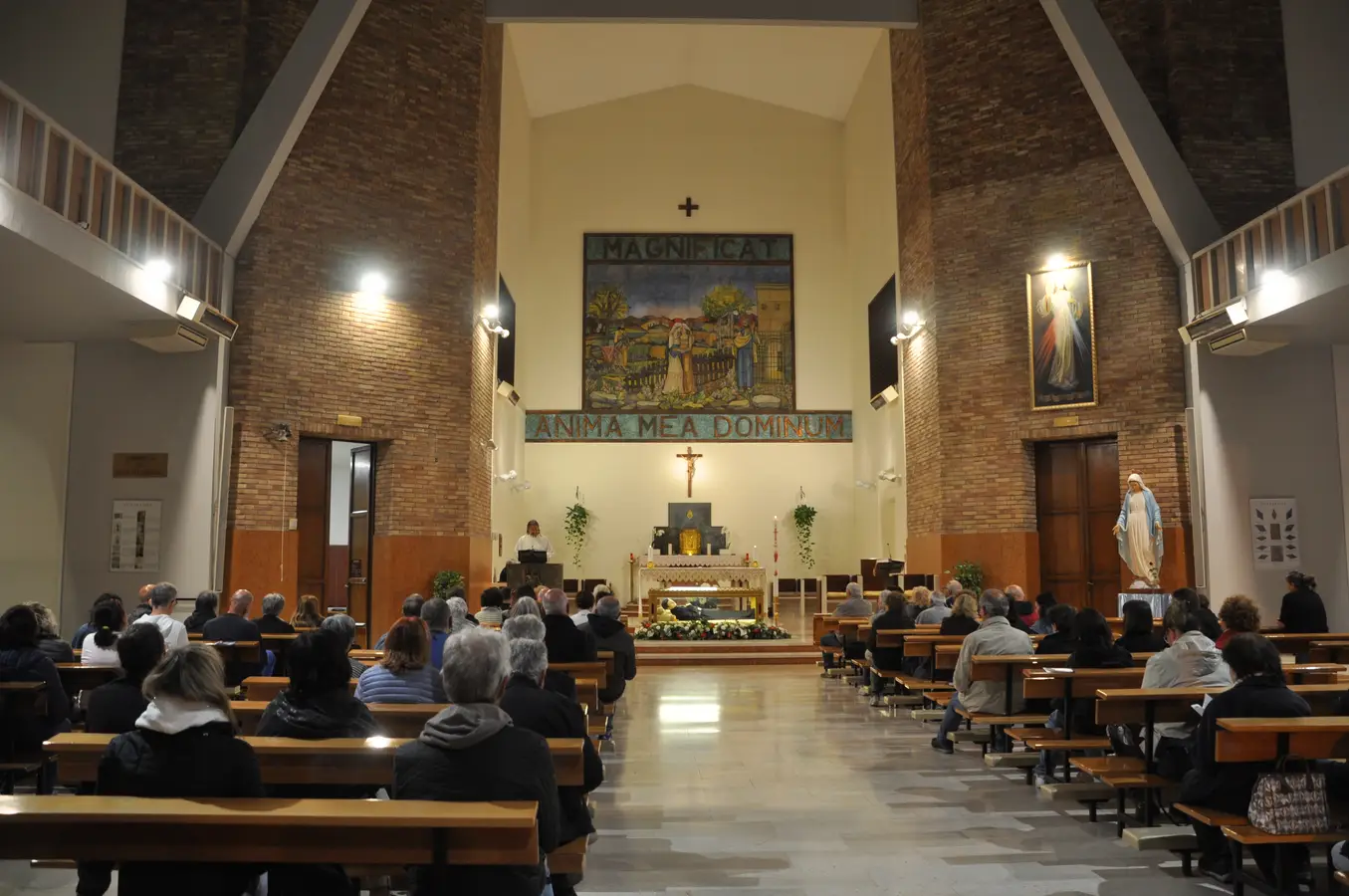
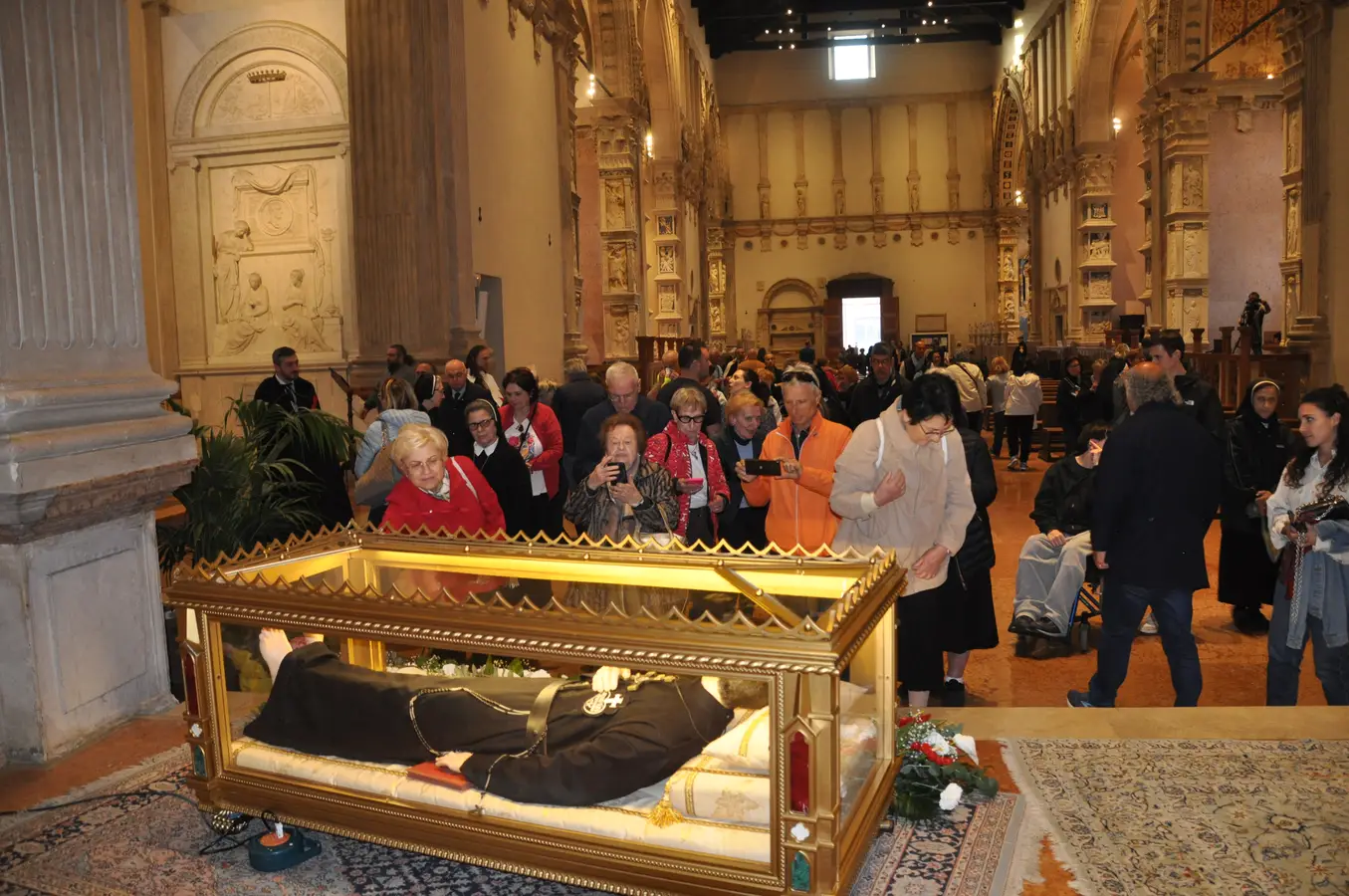
The Eucharistic celebration this evening concludes a pilgrimage that has been called one of faith and memory. The urn containing the mortal remains of Blessed Pio Campidelli has returned, in fact, to the significant places of his earthly pilgrimage, stirring not only memory but also invocation and prayer. Even now, as we are gathered around the table of the Word of God, the Lord asks us to listen to him. Just last Sunday, the Gospel page presented to us again the image of the Good Shepherd. Today too we have heard: My sheep hear my voice and I know them and they follow me. I give them eternal life, and they shall never perish, and no one shall snatch them out of my hand (Jn 10:27-28).
Let us pause, then, for a few moments to reflect, because these are words that truly comfort us. Jesus knows each of us personally and gives to each of us his life; his is a love that embraces us so firmly as to make us almost one with him. After hearing them, we are moved to exclaim with confidence: Your words, Lord, give us a deep certainty that we wish to live humbly, grounded in your faithfulness. For you are the only shepherd in whom we can trust fully and without fear. Immersed in your infinite love, we are sustained by your faithfulness, which guides all things with love, truth, and mercy. I am certain, dearest friends, that these same sentiments we can peacefully make our own for our Blessed, of whom Saint John Paul II said in his homily for the beatification: he was a true salt of the earth for those who knew him in life, and salt he continues to be for those who approach the luminous witness of his example (Homily of 17 November 1985).
I will not be the one to tell you the story of his life, dear friends, for you could well tell it to me. Allow me then to recall only that Blessed Pio Campidelli was born in 1868 in Trebbio (Forli), in a deeply Christian farming family. Orphaned of his father at the age of 6, he was raised in the faith with great care by his mother. From an early age he distinguished himself by a devotion that led him to participate actively in the life of the parish and to be, through his prayer, a good example for his peers. He soon felt the call to religious life and, at the age of 14, entered the Passionists, taking the name Pio of Saint Aloysius, and continued to be noticed for the exemplary quality of his life. This life, however, was very brief: only seven years. Having contracted tuberculosis, he died at the age of only 21 in 1889.
We may ask ourselves: what happened in these few years? Let us return to the Gospel affirmation: My sheep hear my voice and I know them. But what does it mean that Jesus knows us? Saint Gregory the Great used to say: Do you want to know how he knows us? He does so by loving us (Homilies on the Gospels 14, 3: PL 76, 1129). Here it is: in the few years of his earthly life, Blessed Pio Campidelli truly understood that God loved him.
But Jesus continues by saying: they hear my voice and they follow me. It is not enough to listen to Jesus. We must follow him. This is the proof that we truly hear him. For how long? Always. This is how one becomes a saint: by following him until one becomes one with him.
Holiness, dear friends, is the grace that makes us one with Christ. I am not exaggerating; I repeat it, in fact, precisely because we are about to approach the table of the Eucharist to nourish ourselves on Christ himself. I am reminded of some words by Saint John Chrysostom: I have united you to myself: Eat me, drink me, I have said. From on high I sustain you and from below I embrace you. Is that not enough? I descended from heaven, I mingled with you; indeed, I intertwined myself with you. I am chewed and broken into tiny fragments so that this intertwining and union may be more complete. I would no longer wish any division between us. I want you and I to be one (In epist. I ad Timoth., XV: PG 62, 586).
This passage, with its strongly bodily and almost scandalous language, lays bare the heart of the Eucharist, which is a mystery of total communion. With the Eucharist, Jesus does not limit himself to being near us, but achieves a real, profound, unthinkable union. The images of eat me, drink me and of being broken into tiny fragments are not crudeness, but attempts to express the inexpressible: God does not save from a distance, but by entering into the flesh of the human person until becoming his nourishment. Most striking is the dynamic of self-abasement: from heaven to earth, from transcendence to the fragility of broken bread. It is a movement that does not destroy the distance between God and the human being, but transforms it into communion. No longer separation, but intertwining, as Chrysostom says. Everything reaches its summit when he places on the lips of Christ this desire: I would no longer wish any division between us. Here the language becomes spousal and mystical: God is not satisfied with being believed, he wants to be united. This is what the Eucharist is: not only presence, but reciprocal transformation — the human being is assimilated to Christ while Christ gives himself to the human being.
I think that along this same line we should also hear the last words that our Blessed pronounced in the final moments of his earthly life: O infinite greatness of my God! O infinite goodness! O wisdom! O mercy, great and immeasurable, of God! O great charity! Meditating on these exclamations, we too can gather ourselves in a brief prayer: Lord Jesus, Good Shepherd, who knows each of us and calls us by name, grant us to hear your voice and follow you with confidence. Make us one with You in the Eucharist, so that your love may unite us such that there may be no more separation between us. Sustain us in the faithfulness of the Father and lead us to holiness, so that our whole life may be praise to your infinite mercy. Amen.
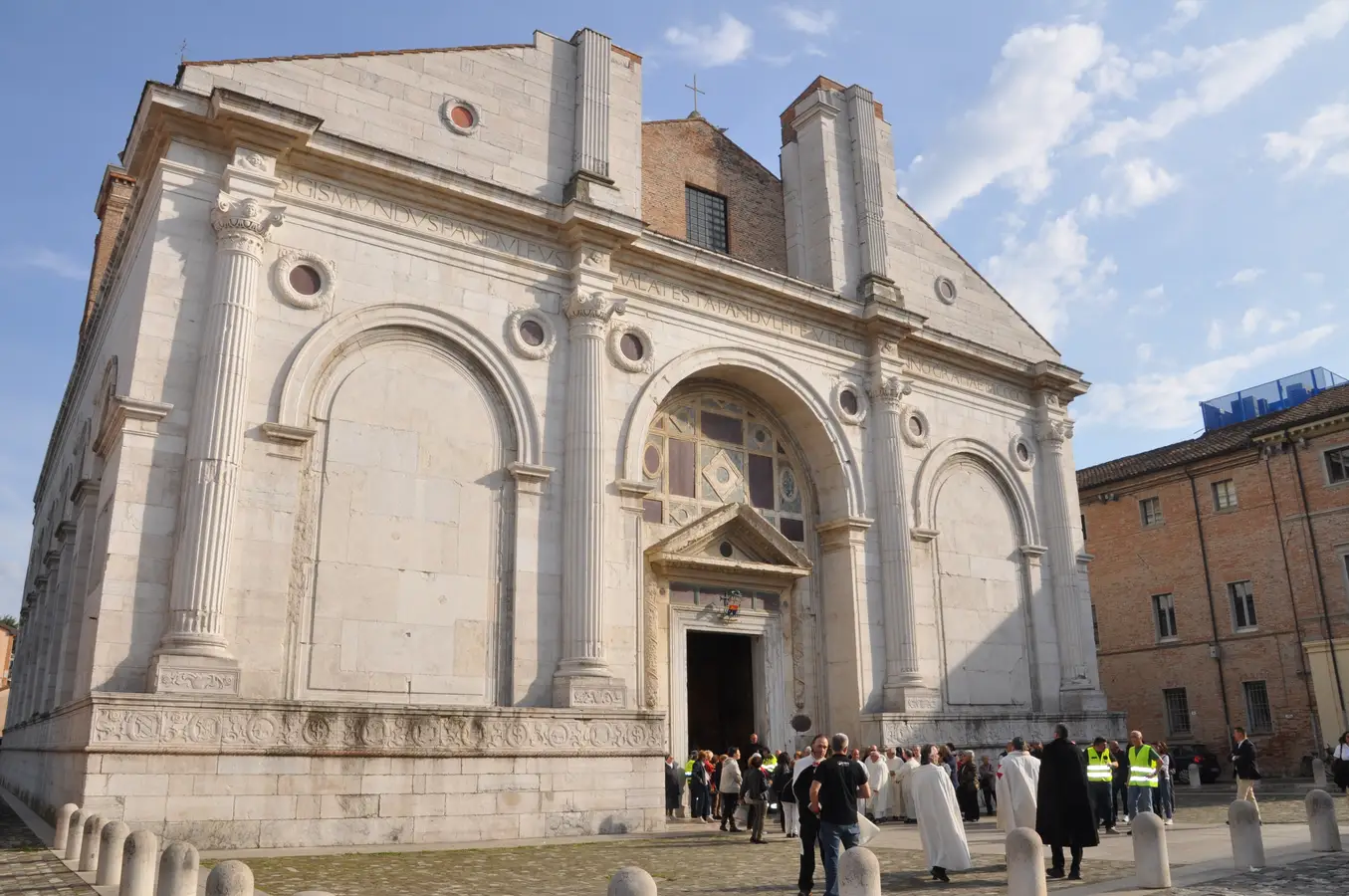
Cathedral of Rimini, 28 April 2026
Marcello Card. Semeraro
